



The Sessions

the sessions

We are hardwired to connect.
Biologically bound for belonging—
from our very beginnings.

In adolescence, new neural connections
foretell fierce friendships, first loves,
chosen families, and shared futures.

Yet in this moment of rupture,
as algorithms and agitators promise connection
but deliver its simulation,

And purveyors of fear and hate
cast difference as danger,
pit neighbor against neighbor,

We rise, pulled toward belonging,
drawn better together, proving community
is not a place—but a practice.

Come as you are

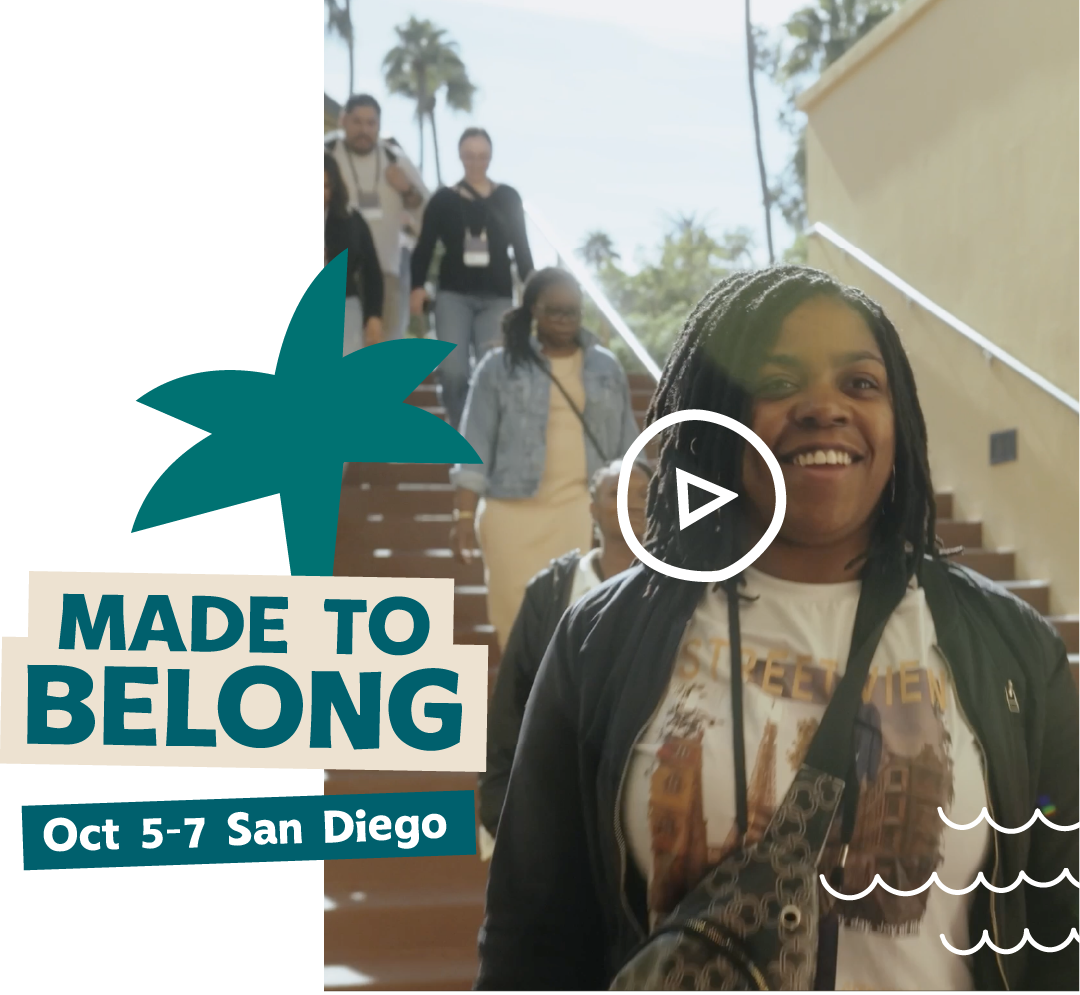
Return to your work with the fire of solidarity and real-world strategies. Be the reason someone feels safe and belongs. Join us for #HealthyTeen26 in San Diego, October 5-7, 2026.

Gain Inspiration

Gain inspiration and a renewed spirit alongside a community of educators, care providers, and advocates.
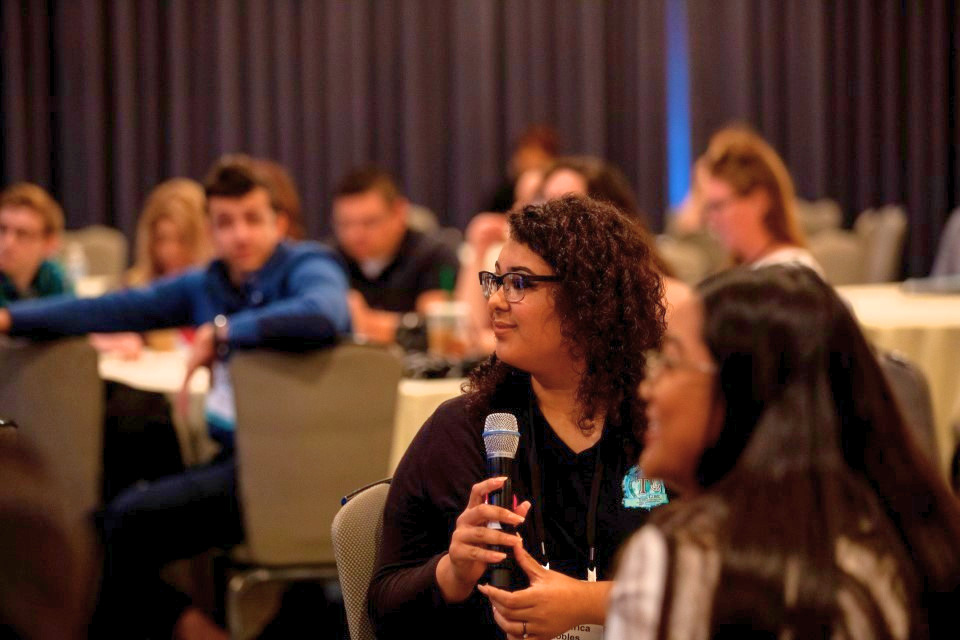
Reclaim Belonging

Reclaim belonging as the heartbeat of lifelong health, especially in adolescence.
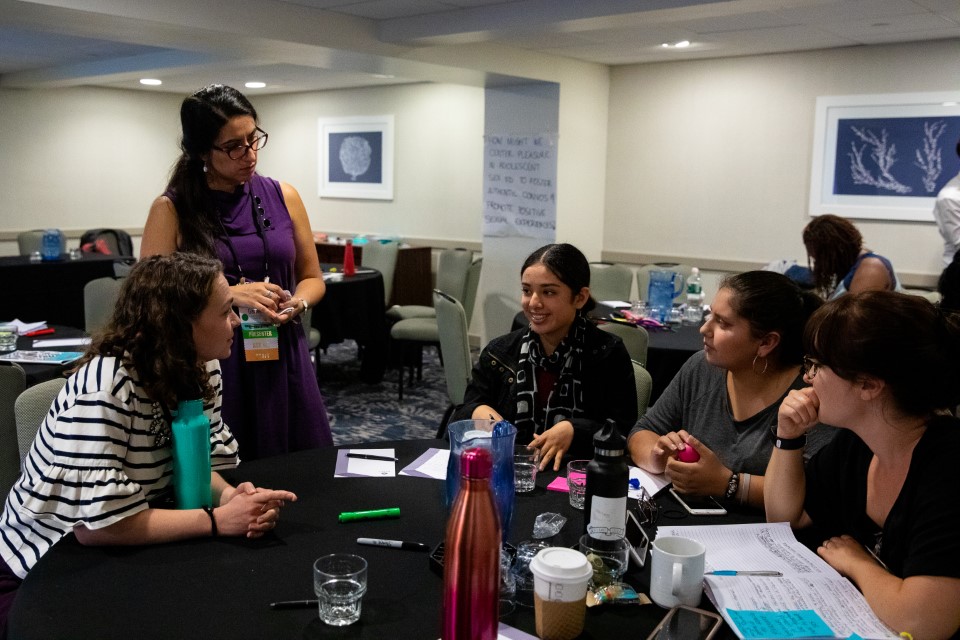
Explore Community

Explore how to build communities where young people feel safe, welcome, and valued.
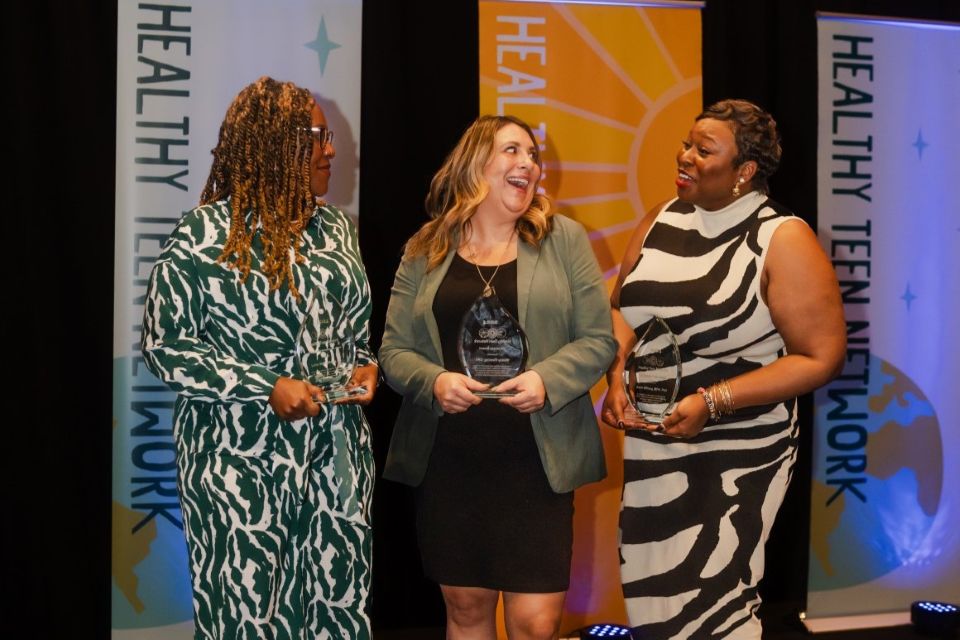
Celebrate Stories

Celebrate stories that anchor adolescent health as essential for thriving communities everywhere.
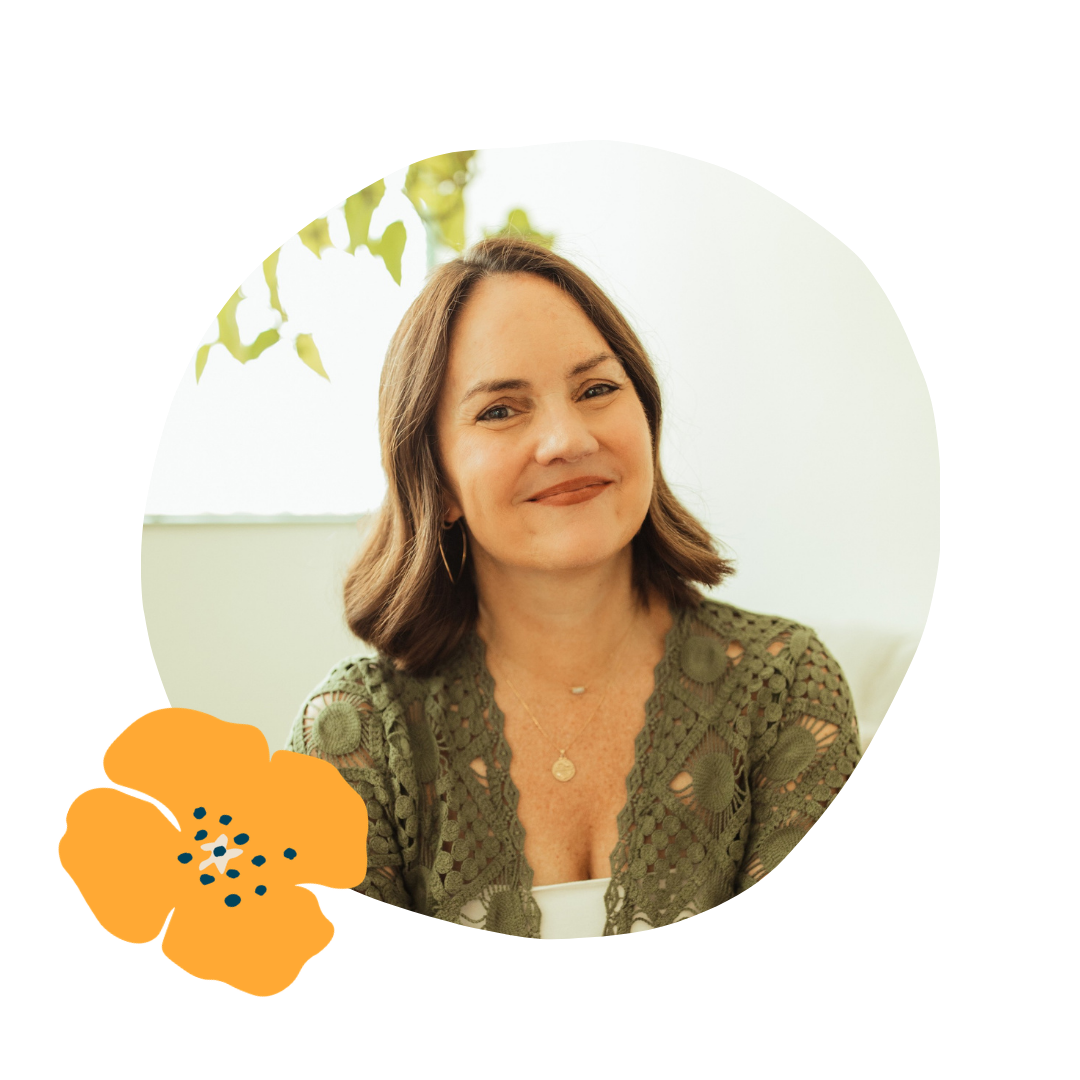
About Kathleen

 

About Kathleen

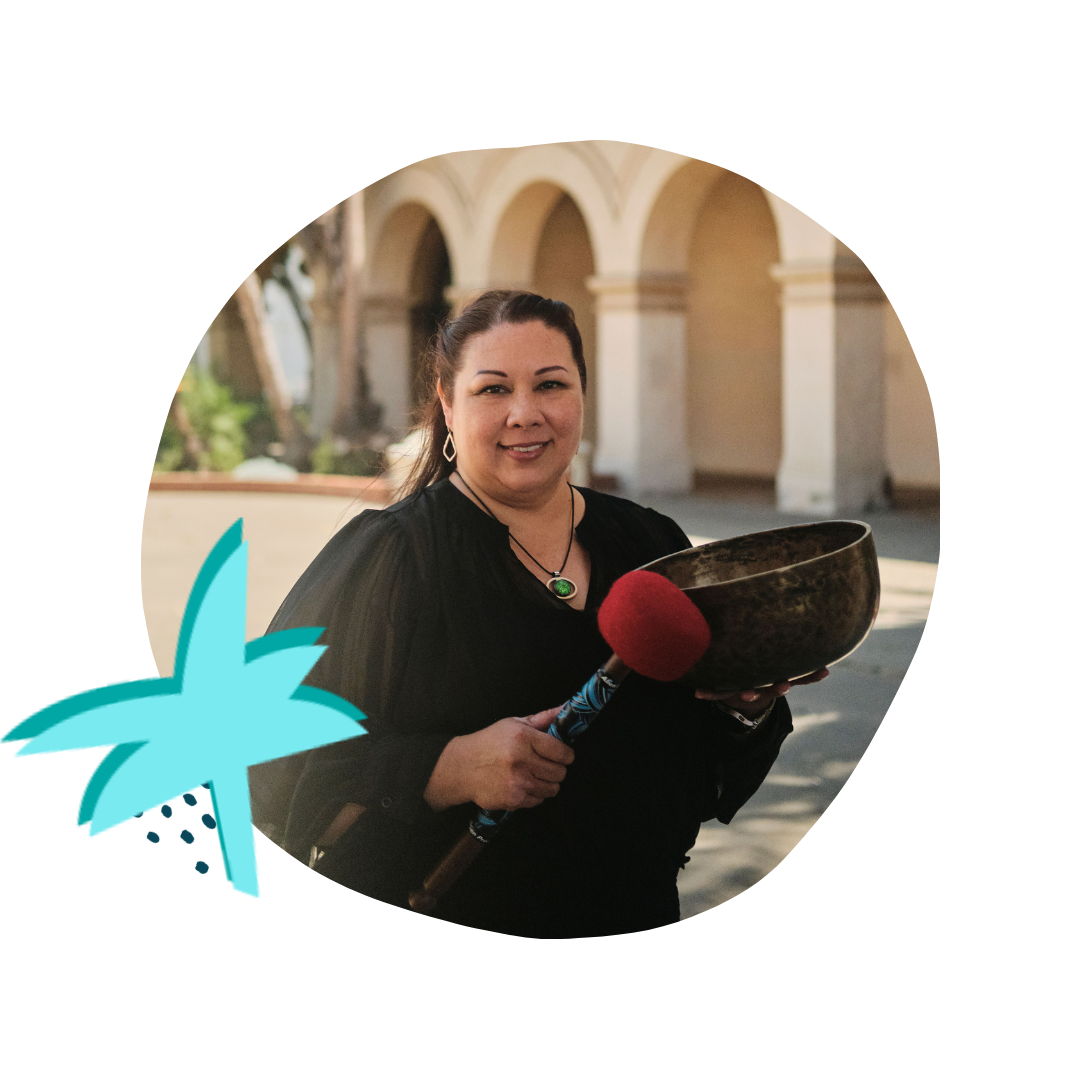
Kathleen Osta, LCSW, SEP, is the founder of the Adolescent Thriving Collaborative, an adolescent and family therapist, and a leading voice at the intersection of adolescent development, trauma recovery, and healing-centered systems change. With over 30 years of experience working with youth-supporting systems, Kathleen brings both clinical depth and systems-level perspective to questions of how young people learn, heal, and develop.

Her work translates cutting-edge research on the adolescent brain, attachment, and interpersonal neurobiology into practical tools and frameworks for teens, families, educators, and youth-supporting organizations. She holds advanced certifications in Somatic Experiencing and Integrated Trauma Therapy, and her thought leadership covers youth mental health and well-being, leadership for educational equity, and the importance of belonging and social connection.

Kathleen is guided by a fundamental belief that when we listen and understand what young people need—and commit to creating those conditions—every young person can thrive.

Wired to Belong: The Neuroscience of Connection and the Relationships That Help Adolescents Thrive

Kathleen Osta, LCSW, SEP Adolescent Thriving Collaborative

Opening Session: Monday, October 5, 4:00 PM – 5:30 PM PT

Belonging isn’t a nice-to-have—it is a biological necessity. Adolescents are exquisitely sensitive to status, respect, and social connection; exclusion and disconnection activate threat responses that interfere with learning and growth.

This session explores how relationships are the foundation of healthy development and how context literally shapes the brain. Weaving together interpersonal neurobiology, attachment science, and developmental relationships, participants will delve into why belonging matters—and why young people must co-construct what belonging means for them.

Art as Resistance: Building Belonging through Creative Expression

Favianna Rodriguez Favianna Studios

Tuesday, October 6, 9:00 – 10:30 AM PT

We are hardwired to connect, and art may be one of our most powerful pathways to do so.

In this moment of rupture, as fear and opposition threaten the sexual and reproductive health of young people, this session invites you to experience art, storytelling, and culture as radical tools for belonging. Through a curated art talk and personal storytelling, we will explore how creative expression speaks to our hearts and imaginations, honoring the full diversity of young people’s lives and proving that difference is not a danger, but a gift.

Rooted in the facilitator’s personal journey of using art and storytelling to challenge shame and stigma around sex education, this session moves from inspiration to action. Participants will engage in a hands-on art activity, envisioning the world of YES they want for young people, because community is not a place, but a practice.

Leave with a sensory-driven framework for using creativity and storytelling as catalysts for equity, connection, and a future where all young people thrive.

About Favianna

About Favianna

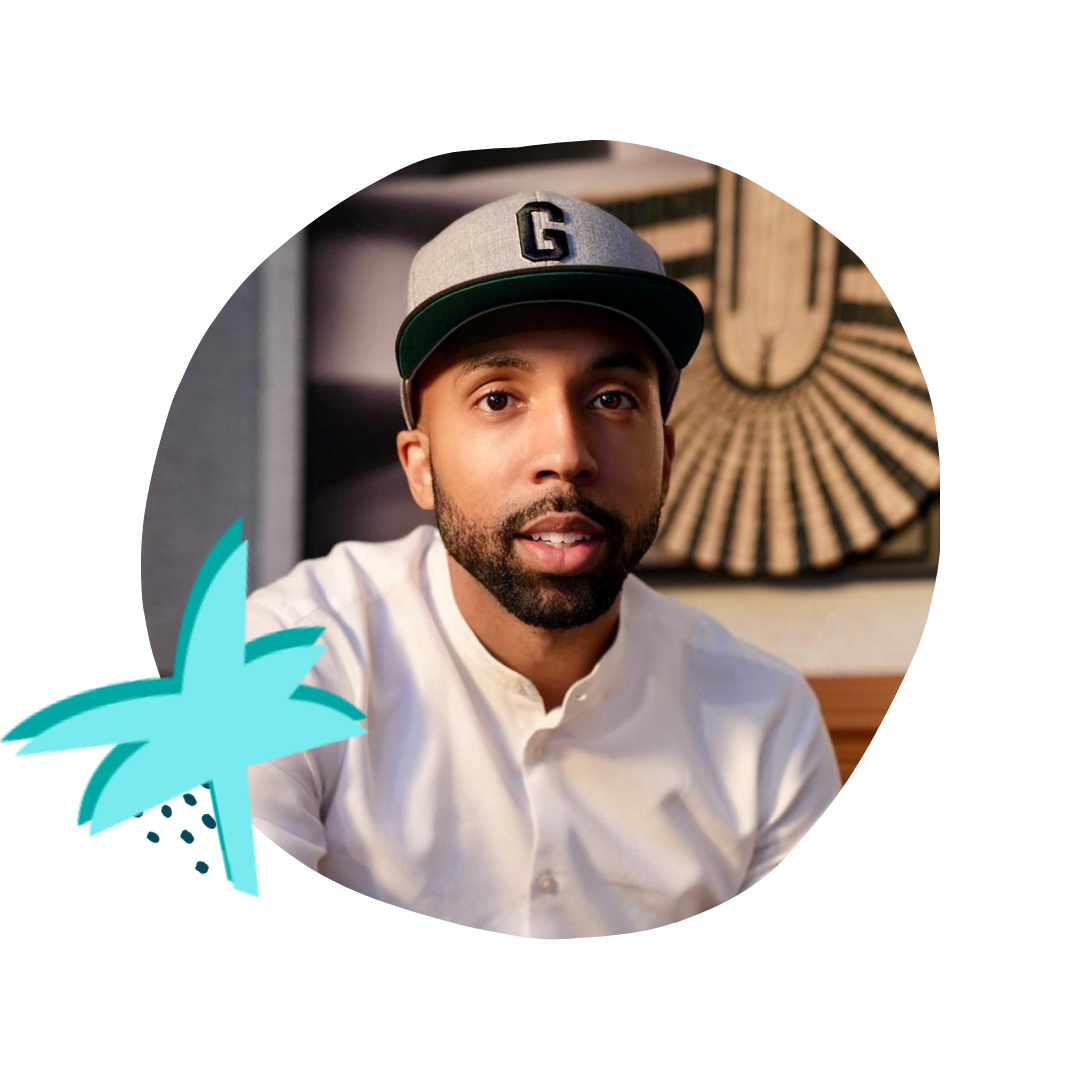
Favianna Rodriguez is an interdisciplinary artist and cultural strategist. Her art and praxis address migration, reproductive justice, climate change, racial equity, and sexual freedom.

Favianna’s creative partnerships include institutions such as the Golden Gate National Parks Conservancy, Ben & Jerry’s, Planned Parenthood, and the UN Climate Summit. A strategy advisor to artists of all genres, Favianna is regarded as one of the leading thinkers and personalities uniting art, culture, and social impact.

She is the founder and former president of The Center for Cultural Power, an organization igniting change at the intersection of art and social justice.
Opportunities to Belong: Demystifying What It Takes to Foster Belonging

DeLeon Gray, PhD, MA; Layla Garrett; & Alessia Griffin  Black and Belonging

Wednesday, October 7, 2:30 – 4:00 PM PT

Belonging doesn’t just happen through relationships. It takes intentional effort to get to a place where “we’re in this together,” we honor multiple ways of knowing, and we implement organizational policies and norms shaped by young people.

Hear from the developer of the Opportunities to Belong framework, DeLeon Gray, about how various dimensions shape young people’s experiences of belonging. Learn from Black and Belonging Fellows, young people who will share their firsthand perspectives on what belonging—and its absence—actually feel like.

This session will move from research to reflection to practice. Through a live self-assessment, roundtable application, and a curated menu of concrete starter moves, attendees will identify their leading strength, uncover their blind spots, and leave with tools designed for immediate use with their teams to foster belonging.

About DeLeon

About DeLeon

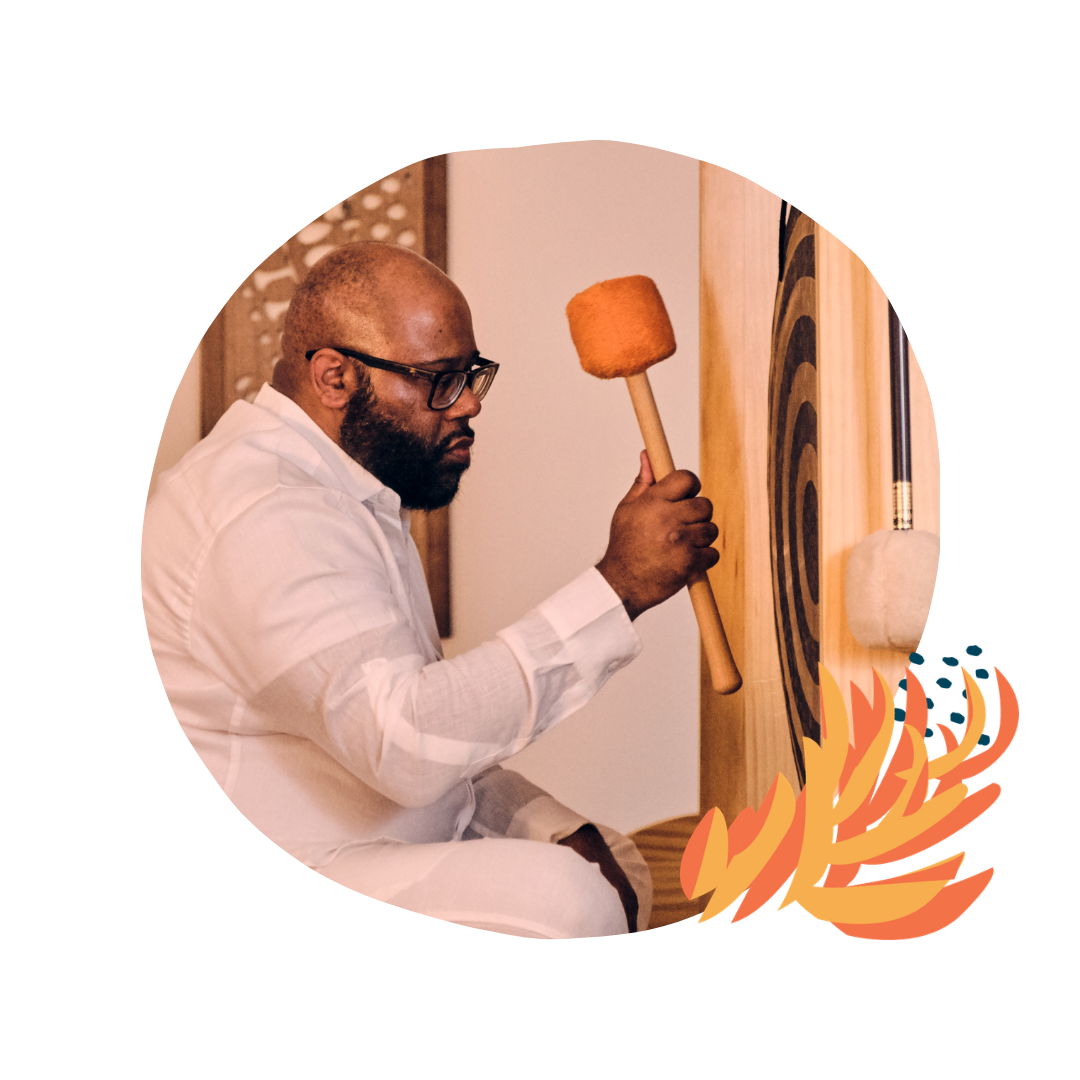
Dr. DeLeon Gray works jointly with young people, educators, parents, leaders, and mentors to unpack the concept of belonging in ways that are developmentally appropriate and contextually relevant.

As CEO of Black and Belonging, Dr. Gray combines his leadership skills with a passion for exposing young people to the social and professional experiences they deserve. In his faculty role at NC State University, Dr. Gray has developed doctoral courses on school belonging, community engagement, and grant writing.

Gray also received the Best Article Award from the American Psychological Association for his Opportunities to Belong framework. Black Enterprise featured Gray as one of 100 men of color who are living up to a standard of excellence in their respective industries.

In his personal life, DeLeon cherishes family events, often sharing the joyous experience of welcoming his Baby Gray into the world with a Black-Tie Baby Shower.

About Layla

About Layla

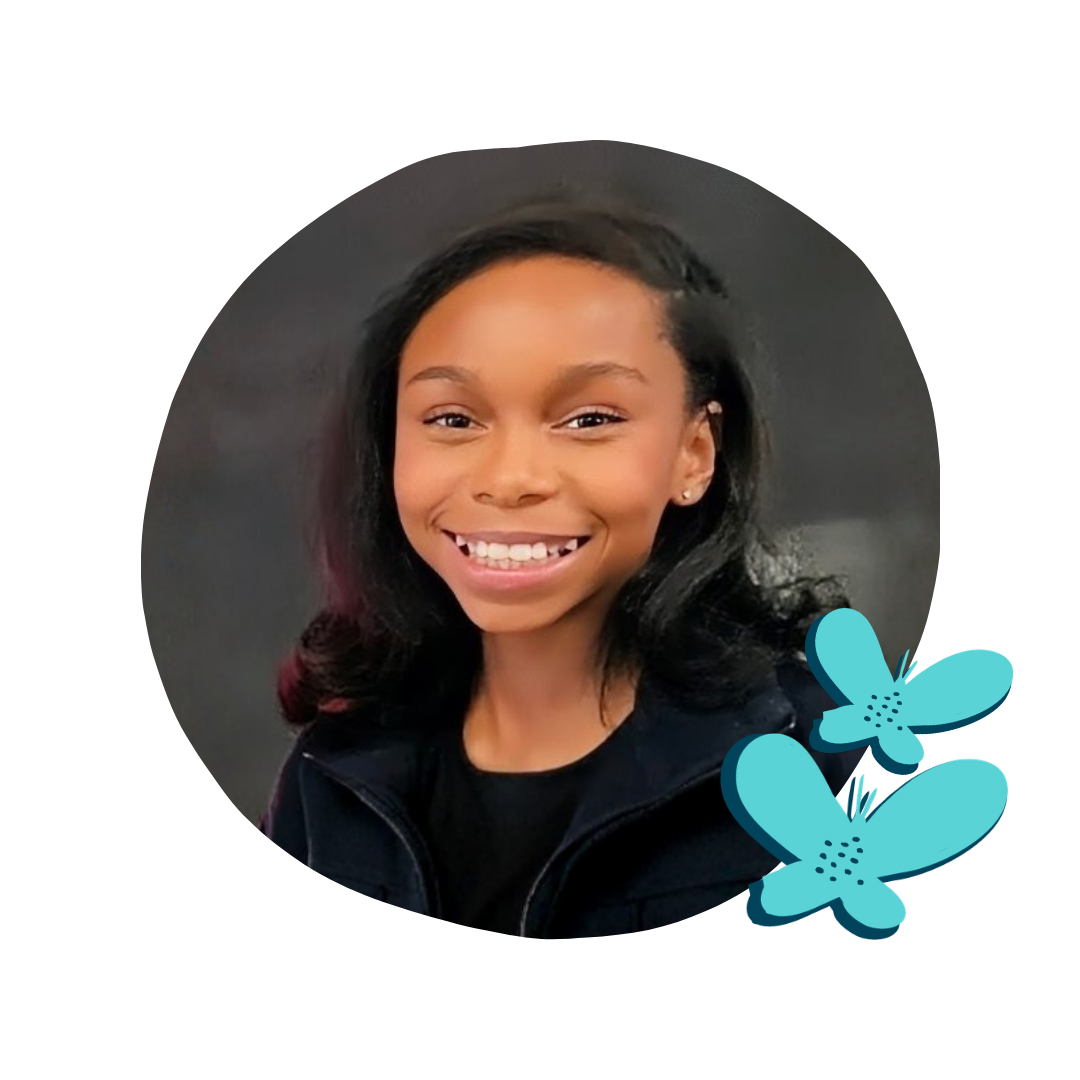
Layla Garrett is a freshman at J.D. Clement Early College in Durham, NC. She has represented her school system nationally at the American Educational Research Association and has received numerous accolades as a songstress and area leader.

About Alessia

About Alessia

Alessia Griffin is a freshman at Hillside High School in Durham, NC. She has previously served as an International Baccalaureate Ambassador and has served as an exhibitor for the Durham Public Schools Foundation Sneaker Ball.

learning add-ons

These intensive, skill-building training sessions are an additional cost to the general conference ticket and have limited capacity.

About Porscha


About Porscha

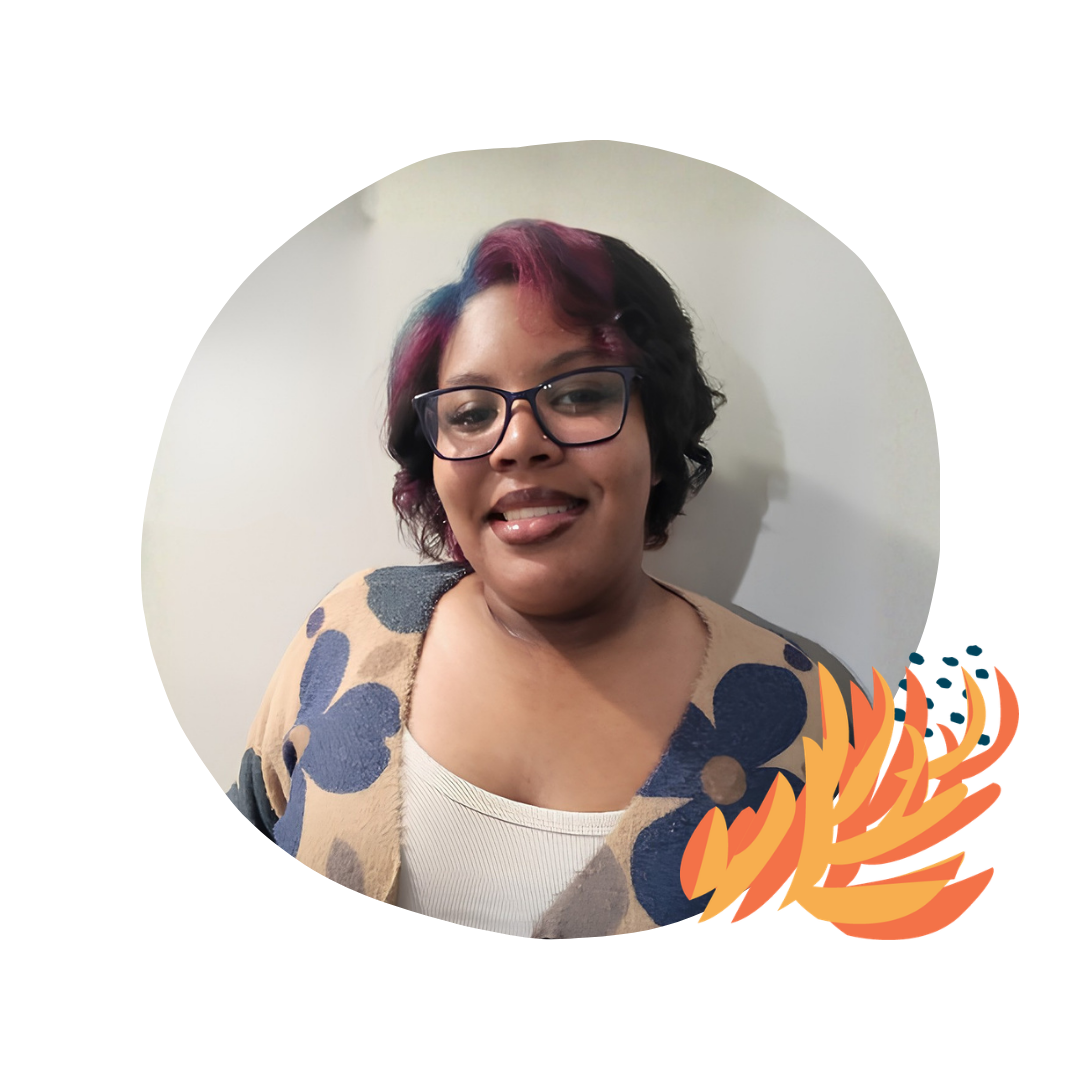
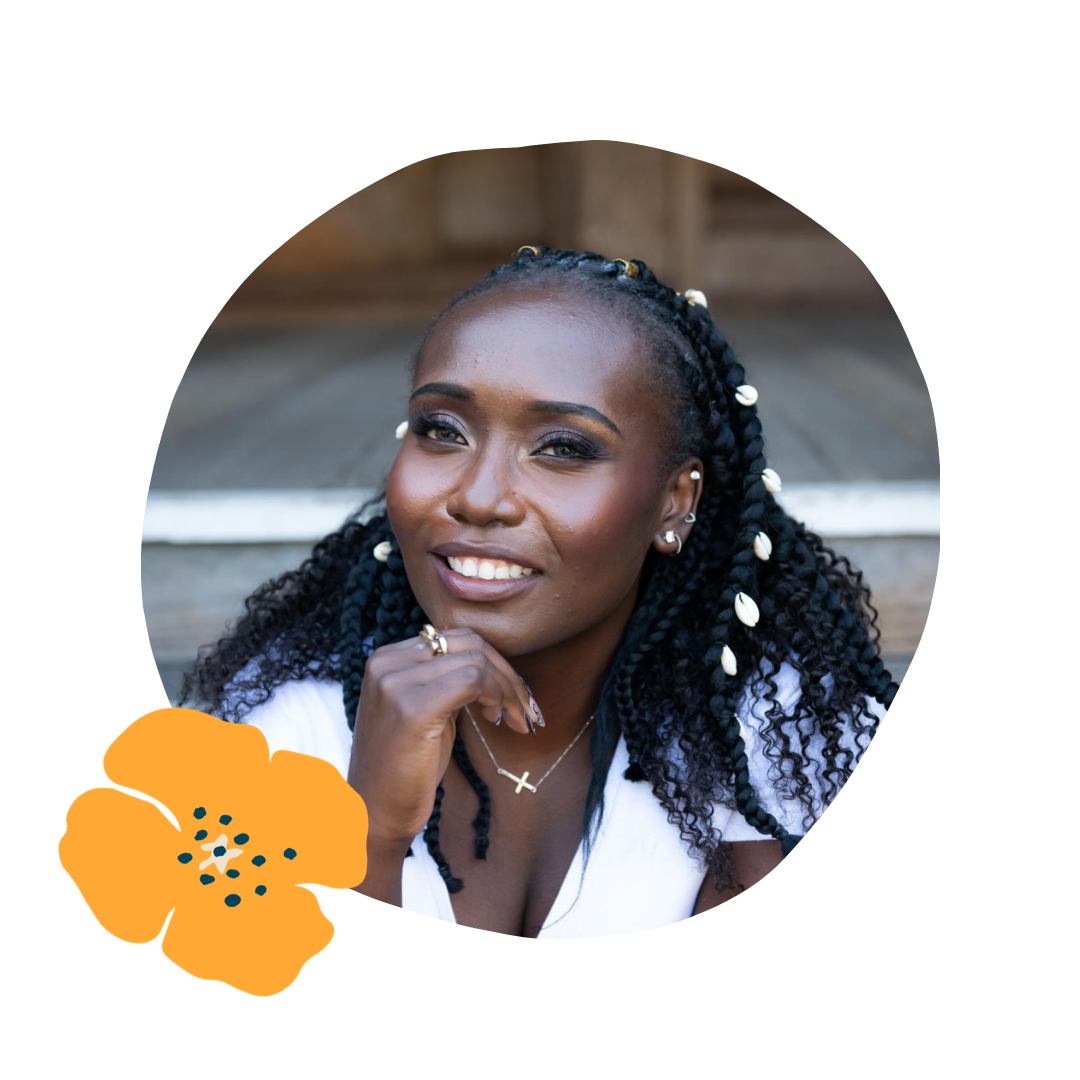
Dr. Lee Porscha Moore (she/her/ella) is a fun-loving, lifelong learner committed to walking with children, young people, and families as they reconnect with their inner superhero. Porscha lives in her intersectionality and navigates this world as a Black cisgender woman.

Outside of facilitating and guiding training, Porscha juggles many hats, including roles as a Licensed Clinical Social Worker providing individual and group therapy and as a college instructor at various California state universities, private colleges, and community colleges throughout the San Francisco Bay Area.

Porscha is a proud first-generation college graduate who has earned a bachelor’s degree in psychology from California State University, San Bernardino, two master’s degrees in social work with an emphasis in community mental health, a degree in communications from California State University, East Bay, and a doctorate in education from San Francisco State University.

Porscha communicates through laughter and sarcasm, as she challenges those she works with and serves to never stop challenging the status quo.

Moving Beyond Trauma-Informed by Bringing Healing-Centered Engagement into Schools and Nonprofits

Lee Porscha Moore, EdD, LCSW Flourish Agenda

Full-Day Training Session: Monday, October 5, 8:30 AM – 3:30 PM PT
Cost: $285

Trauma-informed care was the starting line—now it’s time to finish the race. While shifting our awareness to trauma was a vital first step, our schools and nonprofits need more than just harm reduction; they need a roadmap for collective joy.

Join Dr. Lee Porscha Moore for an interactive deep dive into Healing Centered Engagement (HCE). We’re moving past “What happened to you?” to focus on “What’s right with you?”

In this session, you’ll learn how to center culture, identity, and community as the ultimate tools for well-being. Come ready to challenge the status quo, prevent burnout through radical self-awareness, and build spaces where young people don’t just recover—they flourish.

Beats, Baddies, & Bodies: The Hypersexualization of Black Women

Tara Norman Planned Parenthood of Northern Central and Southern New Jersey

Full-Day Training Session: Monday, October 5, 8:30 AM – 3:30 PM PT
Cost: $285

This ain’t your typical training, this is a real conversation. Beats, Baddies & Bodies dives into how music, reality TV, and social media shape the way we see Black women’s bodies, worth, and credibility, especially in healthcare spaces. From viral lyrics to dating shows, we’ll unpack how the media becomes the loudest teacher in the room.

Through lyric analysis, real-world examples, and interactive activities, participants will explore the tension between empowerment and exploitation and how those narratives shape the care we provide. This workshop will provide participants with the tools to build media awareness, acknowledge history, disrupt bias, and take meaningful action at the community level.

A standard 75-minute session would limit participants to surface-level discussion. This Learning Add-On allows space for critical dialogue, hands-on facilitation techniques, and real-time reflection—ensuring participants leave not only with insight, but with practical tools to support young people in navigating media, relationships, and self-worth in more informed, affirming ways.

About Tara

About Tara

Tara Norman (she/her) serves as the Director of Diversity, Inclusion, and Health Equity for Planned Parenthood of Northern Central and Southern New Jersey (PPNCSNJ). As a people-focused professional, Tara is passionate about aligning with missions that advocate for and serve communities of color. Her commitment is to ensure that diversity, equity, and inclusion are meaningfully reflected in organizational culture, legislation, advocacy, and healthcare delivery. Tara is a devoted advocate, educator, and leader in the fight to disrupt systemic barriers and improve health outcomes.

About Jaclyn


About Jaclyn

Jaclyn Friedman (she/her) is the founder and executive director of EducateUS, where she is leading the effort to build a movement of sex ed voters in the U.S.

A lifelong activist, advocate, and organizer, Friedman’s work has globally popularized the affirmative consent standard of sexual consent. Her first book, Yes Means Yes: Visions of Female Sexual Power and a World Without Rape, was one of Publisher’s Weekly’s Top 100 Books of 2009 and has inspired new laws in five U.S. states, as well as policies on countless campuses across the country and the world.

She also spearheaded the legendary #FBrape campaign, which forced Facebook to address and exclude content that promotes or trivializes violence against women under their hate speech policy, and is founder and former executive director of Women, Action & the Media (WAM!).

Building a Movement for Sex Education: From Theory to Your Custom Action Plan

Jaclyn Friedman  EducateUS

Full-Day Training Session: Monday, October 5, 8:30 AM – 3:30 PM PT
Cost: $285

Do you want to inspire your community to take action for sex education, but aren’t sure how to, given the specifics of your workplace, or your opposition, or other constraints?

Spend a day with Jaclyn Friedman, founder and executive director of EducateUS, and a small group of other like-minded advocates and educators from around the country to develop an action plan tailored just for you, plus a toolbox full of other tools you can use, as the need arises.

You’ll learn how to apply the theory of change that will lead you right to the tactics most likely to work in your specific context, how to build buy-in to get your plans greenlit, and how to pivot like a pro when you hit a roadblock. If you want to develop a sense of belonging among folks who support your work so they keep coming back to take action with you again and again, this is the Learning Add-On for you!

Beyond the Curriculum: Leveling Up Your Sex Ed Skills

Jerrica Davis, MPH & Celease Jordan Healthy Teen Network

Half-Day Training Session: Monday, October 5, 12:30 PM – 3:30 PM PT
Cost: $175

Comprehensive sex education programs give us the what: the essential, evidence-based knowledge that all young people deserve. But what about the how: the skills that help bring it to life?

In this interactive three-hour Learning Add-On, we’ll move beyond curriculum-based content to build the skills and confidence needed to teach high-quality, impactful sexual health education.

Together, we’ll build on the essential sex ed content we all know and love, strengthen those key skills that keep young people engaged and excited to learn, and share valuable feedback and strategies with fellow participants.

You’ll leave this session with practical tools for facilitating age-appropriate and developmentally responsive sex education and a stronger, more confident understanding of your role as a sexuality educator.

About Jerrica

About Jerrica

Jerrica Davis (she/her) is a Senior Manager with Healthy Teen Network and is passionate about all things youth development, reproductive justice, and adolescent sexual and reproductive health.

With experience in facilitating sexual health and social-emotional learning programs for adolescent girls, she loves empowering young people and is excited to help others do the same. Jerrica is a seasoned pro at facilitating sexual health and youth development programs and trainings around topics such as healthy relationships, STI prevention and treatment, and youth engagement. She believes in ensuring that all young people, especially those from underserved communities, are equipped with the tools and services they need to achieve optimal health.

When she’s not dreaming of a better world for future generations, you can find Jerrica enjoying brunch with friends, binge-watching reality TV and true crime documentaries, or having a Disney movie sing-along with her two young kiddos.
About Celease


About Celease

Celease is passionate about youth education, creativity and connection, and building safe spaces for young people. You will often see her frantically writing in her notebook because she’s constantly thinking of innovative ideas to spark change. As a Program Manager, Celease provides essential training and support for educators in Baltimore City Public Schools. When she needs to unwind, Celease loves to spend hours walking through craft stores, planning out her next crochet project. She also enjoys spending time outside gardening, roller skating with friends, and trying to befriend friendly neighborhood cats.

workshop & roundtable sessions

Tuesday, October 6

Workshop Sessions: 10:45 AM – 12:00 PM

Clock It! Real Skills to Build Trust and Boost Health for Gen Z and Gen Alpha

Gen Z and Gen Alpha are redefining how they learn, connect, and make decisions about their health. This interactive skill-building workshop will equip educators, providers, and youth-serving professionals with practical strategies to engage adolescents and young adults in meaningful, culturally responsive ways. Grounded in the Y-H.U.G.S. approach, this session centers youth voice, real-world context, and the integration of sexual and mental health.

Participants will explore how language, digital culture, and identity shape engagement. In addition, they will gain tools to address common challenges in delivering health education and health care.

Through breakout discussions, scenario-based activities, and peer exchange, participants will strengthen their ability to build trust, improve communication, and expand access to relevant resources. They will leave with skills they can immediately implement and relationships that extend beyond the room.

The adolescent sexual and reproductive health field has long embraced trauma-informed care. This framework helps sex educators recognize the widespread effects of trauma and avoid retraumatizing young people. While these efforts have been a crucial step, it’s time for a mindset shift… Can you imagine a world where sex ed is healing?

Developed by Dr. Shawn Ginwright, Healing-Centered Engagement sees young people not as defined by their trauma, but as a beautiful mosaic of experiences, strengths, failures, dreams, and circumstances. At Thrivology, we believe this is key to thriving—for sex educators and young people alike.

In this workshop, we will first break down what Healing-Centered Engagement looks like in the context of sex ed. Then we’ll collaboratively envision how healing-centered sex ed can shift the way we show up for young people. Finally, participants will work in small groups to talk through tangible examples and brainstorm concrete steps to implement healing-centered sex ed in their own work right away.

It’s no secret that young people look to their peers and social media for information. However, that information is not always the most medically accurate or unbiased.

At San Ysidro Health, we facilitate three youth-led peer programs that train and empower local students to build a community of belonging and access to high-quality education and medical care.

By using social media, community event planning, and on-campus activities, our peer leaders are helping bridge the gap by creating safe spaces, sharing trusted health information, and connecting their fellow youth to our clinical resources. Leveraging our longstanding partnerships with local schools, school-based health centers, and our Mobile Teen Clinic, we have built a network of peer health educators who focus on reproductive health, mental health, and substance abuse awareness.

Participants will learn about our strategies for implementing peer programs and their impact on both clinic services and the broader community.

The Embracing Abortion Positivity workshop teaches advocates to build the world they wish to see where abortion is safe, legal, affordable, accessible, and stigma-free for all

Participants will be educateabout abortion and how abortion stigma creates a cultural terrain in which anti-abortion extremists control the narrative, even utilizing people who identify as pro-choice yet have absorbed stigmatizing narratives to quietly serve anti-abortion policy goals that undermine their own values. 

This session will help participants unlearn the failed frameworks of safe, legal, and rare that have left us in the worst position for abortion access in five decades, replacing them with messages that further rather than undermine the goal of creating a world where anyone who decides to have an abortion can access care with no barriers or judgment.

How can health education truly support all students?

This session explores the role of intersectionality in creating inclusive, equitable, and culturally responsive health education experiences. Participants will examine how identities and lived experiences—including race, culture, language, disability, gender, socioeconomic status, and family background—can shape students’ access to health knowledge, support systems, and opportunities for well-being.

Through reflection, discussion, and practical examples, participants will explore strategies to foster belonging, affirm student identities, and reduce barriers to participation and learning. The session will highlight ways educators can adapt instruction, elevate student voices, and design learning environments that reflect the diverse strengths and needs of learners.

Participants will leave with actionable strategies and resources to strengthen inclusive health education practices and promote equitable outcomes for every student.

In this moment of rupture, algorithms promise connection but deliver its simulation. A growing number of young people now have their first conversations about sex, contraception, gender, abortion, and consent with AI chatbots.

Yet Meta’s AI refuses to discuss contraception with minors at all. ChatGPT has been documented directing users to unproven abortion pill reversal hotlines. Google AI Overviews have routed young people to crisis pregnancy centers. This is the information environment every youth-supporting professional is working inside, whether we have named it or not.

This workshop gives educators, clinicians, counselors, and caring adults a clear-eyed look at what AI is teaching young people about their bodies. Drawing on the speaker’s work—building AI misinformation detection systems across TikTok, YouTube, and Reddit and designing youth-facing curricula including Beyond the Sheets for HBCUs—participants will leave with documented evidence of what AI is saying right now, language to use with young people, and concrete, collective actions our field can take to change what large language models (LLMs) surface about sexual and reproductive health.

Youth with intellectual and developmental disabilities experience high rates of loneliness and often struggle with relationship building. Our team collaborated with youth with I/DD, using a co-creation framework to address these challenges.

Game co-creation is a participant-centered design process in which learners, teachers, and/or stakeholders help shape the content and format of an educational game. Participants complete interviews and surveys about their needs, interests, and learning goals, and these data are used to design game mechanics, scenarios, and activities that directly support targeted curriculum outcomes.

During the workshop, we will discuss an Elevatus Game Project, demonstrate a game, explore the steps taken to create the game, and discuss feedback from participants and instructors.

Many sex educators are experiencing burnout, job loss, and a sense of confusion about whether sex education is really the most important fight to be waging during these volatile and oppressive political times.

This session contextualizes sex education within the landscape of attacks on reproductive rights, diminishing sexuality and gender liberation, and the rising online romanticization of traditional gender roles.

Aiming to ground and inspire your work, session leader Meg situates sex education not as a frivolous fight we need to leave to take part in more urgent battles, but instead as a vital component of long-term progress for reproductive freedom, gender and sexuality pride, and embodied equality for all genders.

Rooted in research around knowledge and skills gained in sex education, and using specific connections and lessons from Meg’s hometown of Minneapolis, this session affirms that sex education is a foundational, long-term strategy for fighting back against the mis- and disinformation that fascism depends on with eagerness, confidence, and optimism.

Workshop Sessions: 1:45 PM – 3:00 PM

System-impacted youth are often excluded from traditional sexual health education and may face trauma, stigma, disrupted schooling, and limited access to trusted sources of support. This interactive session explores how two youth-centered, narrative-based interventions—Unstained and Stay True—were co-created with adolescents involved with the juvenile justice system to address these gaps through storytelling, reflection, and participatory design.

Participants will learn how formative research, trauma-informed facilitation, and youth-led creative workshops shaped authentic characters and narratives that resonate with marginalized adolescents. Unstained focuses on consent, STI testing, and pregnancy prevention, while Stay True examines emotional regulation, peer pressure, substance misuse, and sexual health decision-making.

Through multimedia examples, implementation lessons, and early findings from an ongoing randomized controlled trial (Unstained) and pilot implementation (Stay True), this session will demonstrate how narratives can strengthen engagement, trust, self-efficacy, and healthier decision-making among hard-to-reach youth populations while positioning young people as co-creators of change rather than passive audiences. Participants will also gain practical insights about how to adapt and embed co-creation and storytelling approaches within their own youth-centered interventions.

You know parents and caregivers are core components of the world in which adolescents make decisions about sexual health. Health educators often face challenges reaching parents, recruiting them, and providing services that truly meet their needs. But there is a way to engage parents successfully.

This session explores data from a pilot study of the revised Key Conversations program, a multi-session intervention that supports parents in talking with their children about sex, relationships, and preventive healthcare. We will walk through the program’s redesign using the TISH accelerator and the application of the COM-B model to identify and address behavioral barriers.

For example, using COM-B, we identified low parent confidence as a key barrier (beliefs about capabilities), which led to the addition of structured role-play activities to build communication skills; early pilot data suggest this change improved engagement and confidence.

Participants will leave with practical strategies to diagnose barriers, design targeted program improvements, and apply iterative testing in their own work.

This interactive session will explore the widescale weaponization of “parent’s rights” to impose archaic and regressive policies that—contrary to their stated purpose—create harm to young people, parents, and families, from book bans to restrictions on sex ed, privacy, autonomy, and access to reproductive and gender-affirming care.

The session will offer an overview of the extremist movement, the state laws being moved, and the narratives being deployed to undermine youth and civil liberties. Attendees will hear firsthand accounts from advocates in states that have passed and defeated such bills, including how these policies are playing out on the ground and winning strategies to fight back.

After being introduced to a messaging toolkit, attendees will participate in a 25-minute activity in which they have the opportunity to develop a campaign to fight against proposed parents’ rights legislation in an assigned state.

At a time when trans and nonbinary young people face escalating barriers to care and belonging, trusted adults play a critical role in creating knowledgeable, connected communities. This interactive workshop goes beyond trans 101 definitions to explore how gender-affirming hormone therapy (GAHT) can support not only individual well-being, but also a young person’s sense of joy, identity, and place in community.

Facilitated by educators from Maine, a state where young people ages 16+ can access GAHT, this session demystifies what some describe as a “second puberty.” Participants will gain a clear understanding of the physical, social, and emotional changes associated with hormone therapy, while also exploring how to support youth who may or may not have access to this care.

Through small-group discussions and scenario-based activities, participants will build concrete skills to foster belonging for trans and nonbinary youth. Together, participants will gain knowledge and practice skills needed to show up and advocate for communities where all young people are not just accepted, but truly belong.

To create space for belonging, we must be ready to embrace young people across all stages of readiness for learning about sexual and reproductive health. While some young people are eager to learn, some are curious but hesitant, and others don’t see how the content is applicable to their current lives.

This session will challenge attendees to reimagine their traditional approach to recruiting and incentivizing young people in ways that meet their unique needs and interests. Presenters will share key insights from the Coogs Rise Up for Sexual Health (CRUSH) project at the University of Houston (UH).

Attendees will learn about a range of effective marketing approaches as well as lessons learned along the way. Attendees will also be guided through a series of activities and discussions to apply what they are learning to their own work.

Session highlights will include design of recruitment materials and incentives to meet risk management needs of UH Greek Life, professional development for students seeking to boost their resumes, fundraising for campus student organizations, and competitions for students living on campus.

The pressures of the current socio-political context have made partnerships between foundations, nonprofit organizations, and communities of color even more important. Each group is navigating the tension between running askew of anti-DEI laws and implementing the solutions that communities of color need. This work can only be done effectively if foundations, nonprofits, and communities of color come together in partnership with a willingness to shift and share power.

This interactive workshop will focus on how nonprofit organizations can cultivate effective and respectful partnerships with the communities of color that they serve. The contents will span four major topic areas: 1) laying the foundation for partnership with communities of color in your organization, 2) strengthening relationships with communities of color, 3) sharing power with communities of color, and 4) positioning your organization as an ally to communities of color.

Each of the four content areas will include tactical guidance that can be easily implemented in organizations as well as a brief table topic activity that allows participants to reflect on their current organizational practices.

Great ideas rarely happen on command. Before teams can create, collaborate, and innovate, they need to transition into the right mindset. What if a simple five- to fifteen-minute activity could radically change the quality of your team’s ideas?

This workshop unpacks the science behind creative warm-ups and lets you experience them firsthand. Rotate through interactive stations, test-drive activities you can use right away, and discover what separates a great warm-up from a forgettable icebreaker.

Workshop Sessions: 3:15 PM – 4:30 PM

Are you interested in partnering with rural school districts to advance adolescent health and well-being?

Come learn more about the What Works in Schools Framework and how we have partnered with rural school districts in North Carolina to implement the framework. We will share our early implementation strategies, lessons learned so far, and plans for measuring impact.

Participants will also have an opportunity to review the What Works in Schools Framework in more detail and consider how it might be tailored to their own work with schools in their communities. We will share the tools and resources that we have used to partner with schools to identify goals and action items for the first year of the project along with findings from our implementation evaluation.

This session will offer practitioners a concrete framework for advancing adolescent health in schools with a focus on health education and health services.

Ever felt like your program is doing great work, but your evaluation isn’t selling your story?

You’re not alone. Across the innovation pipeline, evaluation shapes how programs are understood, valued, and funded. Too often, evaluations are designed with a rigid focus on measurement rather than a forward-looking understanding of the data that best communicates a program’s promise and impact. This leaves strong programs without a compelling case for continued investment.

This session focuses on how to design your evaluation with an eye towards what funders expect at each stage of development. We’ll unpack how evaluation strategies can evolve alongside your program, moving from learning-focused approaches to outcome-driven evidence. And we’ll explore how diverse forms of data can be packaged to attract funder attention and investment.

Through exercises and examples from the In/Tend and Breakthrough Accelerator Innovation Hubs, participants will reflect on how to best position their evaluation for diverse funders while still staying true to program needs and goals. Come ready to rethink evaluation as a strategic tool for sustainability and growth.

People with intellectual and developmental disabilities experience sexual assault and abuse at rates up to seven times higher than their non-disabled peers. To help reduce this alarming statistic, it is essential to start early, teaching all students—especially those with disabilities—about consent, boundaries, healthy relationships, and personal safety.

In this session, educator and author Katie Nordstrom will share best practices for implementing developmentally appropriate, inclusive sexuality education programs for students with disabilities. Participants will explore three evidence-informed Comprehensive Sexual Health Education curriculums tailored to different age groups.

What does it really feel like to navigate school as a transgender or non-binary young person, and what can trusted adults do differently because of that understanding?

This 75-minute interactive workshop pilots a newly adapted version of Walk in Their Shoes, a highly engaging, scenario-based learning experience designed to move beyond awareness and into action. Participants will step into the lives of fictional trans and non-binary youth, making decisions in real time that shape each character’s experience and outcomes across school and community settings.

Unlike traditional trainings, this immersive approach highlights how everyday interactions, policies, and missed opportunities accumulate to impact student safety and well-being. Following the simulation, participants will engage in a structured debrief to translate empathy into practical next steps, identifying concrete actions they can take in their roles to create more affirming environments.

This session is ideal for professionals seeking innovative, youth-centered approaches that deepen understanding while building accountability and real-world application. Participants will leave with both insight and a clear “what now” for their work.

Stigma and bias are pervasive yet infrequently addressed barriers facing young parents. They shape treatment in schools, healthcare, and communities, sometimes leading to delayed care, punishing policies, and disinvestment. Further, young parents have described the mental health impacts of stigma, including isolation and disengagement from education.

In this interactive session, the Young Parent Collective (YPC) shares findings from their young parent-designed stigma assessment that measures biased perceptions of young parents. YPC tested their assessment with school support staff and will share pre- and post-training results.

Grounded in lived experience and research, this session examines how stigma operates and how it can be disrupted. Participants will 1) learn how young parents define bias, including external beliefs about irresponsibility and parenting abilities; 2) engage in guided reflection to assess their own beliefs; and 3) identify how stigma connects to broader systems and what strategies can help build affirming, dignity-centered environments.

Participants will leave with tools to adapt stigma assessments for their own contexts and actionable strategies to shift narratives, policies, and practices, moving from awareness to meaningful systems change.

School-Based Health Centers (SBHCs) have a unique opportunity to bring sexual and reproductive health (SRH) services directly to adolescents in spaces they trust.

This session explores practical strategies for integrating SRH services directly on school campuses, meeting students where they already are. Participants will examine how meaningful education-healthcare partnerships can expand access and reduce barriers for students.

Central to this conversation is the power of youth engagement: how to involve young people as co-creators in shaping the health services and communities they deserve. Participants will leave with actionable strategies to strengthen and expand SRH offerings within their school-based programs.

What if our systems are the problem, not our youth?

Young people who engage in sexually harmful behavior are often met with adult-centered legal responses that increase harm instead of reducing it. At the same time, developmentally typical behaviors get misread, survivors don’t get what they need, and cycles of trauma continue. When we get it wrong, the consequences are real: youth are labeled and pushed deeper into systems, while harm goes unaddressed.

In this interactive, no-shame session, we’ll unpack how fear, misinformation, and outdated policies drive these outcomes. Using real-world scenarios, participants will practice distinguishing between typical, problematic, and harmful behaviors (spoiler: it’s harder than it sounds).

We’ll connect the dots between sex education, systemic inequities, and legal responses, and explore what it actually looks like to respond in ways that avoid unnecessary criminalization of young people while supporting accountability, healing, and growth. You’ll leave with practical tools and sharper instincts, and maybe identify a few assumptions you’re ready to retire for good.

Wednesday, October 7

Workshop Sessions: 9:00 AM – 10:15 AM

Keeping youth engaged in programs and ensuring participation in data collection activities can often be challenging, but these tasks are essential for successful program implementation and evaluation. We successfully navigated numerous challenges related to participant engagement and retention during our rigorous evaluations of SafeSpace and Many Ways of Being, both funded by the Family and Youth Services Bureau (FYSB).

In this interactive workshop, presenters will share strategies that helped our teams maintain youth engagement throughout the program, achieve strong long-term retention outcomes after program completion, and avoid common challenges throughout program implementation and evaluation.

Participants will engage in small-group discussions and collaborative problem-solving exercises focused on real or hypothetical program and evaluation challenges. Together, participants will identify factors that may threaten youth engagement and retention, brainstorm creative and realistic solutions, and discuss protective practices that can be incorporated early in program and evaluation planning.

This session is designed to leave participants feeling energized, prepared, and confident in their ability to meet engagement and retention goals in future work.

Do you want to create spaces where teens feel empowered, respected, and self-motivated to grow and learn?

From government restrictions on reproductive and gender-affirming care to the lack of comprehensive curriculum, youth aren’t involved in decisions made about them and their bodies. This means that they are often given the least amount of agency about issues for which they deserve the loudest voice: their health, relationships, and education.

Participants will learn about adultism, a system of oppression that devalues and dismisses young people’s experience, opinions, and agency.

Answering the questions “how were we impacted as youth” and “what stereotypes and biases uphold this system now”, we will explore how supportive adult relationships and skills for youth solidarity offer us tools to transform adultist dynamics in classrooms, clinics, and community spaces.

Join Outright Vermont—an organization dedicated to building hope, equity, and power for LGBTQ+ youth—to learn how to create anti-adultist spaces where youth feel valued and respected, leading to supportive connections with teens and positive health outcomes for marginalized youth.

Innovation doesn’t die because people aren’t creative enough; it dies because of the conditions we create around it. The wrong process, the wrong support, or the wrong expectations can quietly extinguish an idea before it ever has a chance to become something real.

Join members of In/Tend, Healthy Teen Network’s Incubator Hub, as they pull back the curtain on what it takes to build innovation without breaking it. You’ll hear from the coaches who guide innovation teams day-to-day and from the innovators themselves—the ones who have lived it, learned from it, and kept going.

We’ll get into the messy, human side of innovation: how to cultivate mindsets that embrace ambiguity rather than fear it, why rituals matter more than rules, and how to reward the process, not just the result, because what you celebrate is what gets repeated.

If you’ve ever watched a promising idea lose its spark somewhere between vision and execution, this session is for you.

In today’s polarizing environment, ensuring youth access to comprehensive sexual health services requires innovative community partnerships. This session explores an innovative nursing program that serves as a connector between community organizations, youth, and healthcare providers to address barriers to reproductive care.

Participants will discover how to blend existing community relationships and direct services to promote accurate sexual health education while addressing misinformation. They will also learn practical strategies for empowering community partners who want to support young people but lack resources, training, or information to provide effective care.

The program emphasizes community support, peer-to-peer education, and empowering youth as health advocates within their communities. We’ll explore how to build sustainable networks that ensure comprehensive reproductive health information, include all parenting options—parenting, adoption, and abortion—and reach young people in a restrictive legal context.

Participants will gain actionable tools for implementing similar initiatives, fostering community collaboration, and creating safe spaces for honest reproductive health conversations. Join us to transform how programs can champion reproductive justice through strategic community engagement.

Adolescent sexual and reproductive health and mental health are closely connected, yet they are often addressed separately in programs, systems, and funding. This workshop uses a real-world project to show how innovation hubs, including incubators and accelerators, can help youth-supporting professionals design integrated, youth-centered solutions that bridge the gap between these fields and foster connection and belonging.

Participants will learn about a collaborative project by Rutgers University’s Answer that leveraged support from the youthink Incubator Hub and Breakthrough Accelerator. Through training, coaching, peer support, and access to innovation infrastructure across both hubs, Answer applied human-centered design and play-based methods to develop What the Buzz?!—a board game that helps teens feel more comfortable talking about sexual and mental health. The project was shaped by direct feedback from young people.

Through short interactive activities, guided discussion, and gameplay, participants will explore how innovation infrastructure, human-centered design, and play can improve adolescent health work. Participants will leave with clear strategies and skills they can use in program design, cross-sector collaboration, and future innovation efforts in youth-supporting settings.

Workshop Sessions: 10:45 AM – 12:00 PM

This session presents BAD Stitches, a nine-week, trauma-informed workforce development program serving youth ages 16–24. Designed by Ballet After Dark, Inc., the program combines healing-centered engagement with practical skill-building, integrating menstrual and hygiene health education, period poverty awareness, and hands-on sewing instruction within a supportive, community-focused model.

Attendees will gain insight into how BAD Stitches addresses the social and economic impacts of limited access to menstrual products while fostering confidence, advocacy, and resilience among participants.

The presentation will highlight the program’s instructional approach, where youth develop foundational and intermediate sewing skills—including pattern reading, fabric selection, and machine operation—while producing reusable menstrual pads, pantyliners, and hygiene kits. It will also explore how these activities build technical ability, creativity, and teamwork.

Participants will leave with a clear understanding of BAD Stitches as both a therapeutic intervention and a workforce pathway, preparing youth for careers in fashion, design, and production while advancing menstrual equity and community impact.

We have a growing understanding of what patient-centered care looks like in contraceptive services, but what about STI care?

Young people experience some of the highest rates of STIs in the country, yet there is no widely accepted standard for what adolescent-centered STI care looks like, or how to measure it in practice. For the providers, programs, and systems that serve young people, these questions matter enormously.

This interactive session invites participants to help answer them. Drawing on Child Trends’ New Insights for Sexual Health (NISH) initiative, we will briefly share findings from our literature review, national data on missed STI prevention opportunities, and early insights from patients and providers. Then, participants will roll up their sleeves.

Through guided small-group activities, attendees will identify key elements of adolescent-centered STI care, surface real-world challenges in integrating STI services into settings where young people seek care, and co-design features of a practical tool and approach to measurement—contributing directly to shaping what better STI care for young people should look like.

When conservative parents act as gatekeepers to their teens’ health education, what possibilities remain to equip youth with the skills and knowledge to protect their health?

Despite being second in the nation for teen pregnancies and fifth most impacted by STIs, sex ed is not mandatory for Arkansas school districts, and only an estimated 3% of districts use a “highly comprehensive” curriculum. In 2026, Teen Health Mississippi (THMS) launched Teen Health Arkansas (THAR)—the culmination of years of relationship building, pilot programs, and community listening.

This session will share how cross-state relationships started and progressed, stories from the pilot two-generation program, and how that work laid the foundation for a statewide initiative. Presenters will share data analysis from focus groups with teens and adults, key curriculum components, examples of collateral and messaging, critical lessons learned, and what’s happening next to build the capacity for teen-partnered health education in the state. Participants will have the opportunity to ask questions and ideate engagement strategies and tactics with peers and presenters.

This workshop offers practical strategies for sexual health educators working in politically, culturally, and socially constrained environments. It highlights the successful “Campus Conversations” model developed by Healthy Futures of Texas (HFTX), which delivers comprehensive sexual health education to college students in South Texas—a conservative state where many youth lack foundational knowledge upon entering higher education.

The session will begin by identifying sex education gaps, followed by the Campus Conversations team outlining specific barriers they faced in South Texas. HFTX addressed these barriers by designing short, flexible, low-burden workshops, creating a supportive space for trustworthy, evidence-based information.

Child Trends, the evaluation partner, will present evidence of the program’s promise in building young people’s skills, knowledge, and confidence. The workshop will conclude with a powerful journey alongside three student personas from the Rio Grande Valley program, showcasing actionable strategies and a blueprint for filling critical sexual health gaps in conservative communities.

Consent education often focuses on what people say: yes, no, maybe, stop. But real-life sex? It’s way more complicated.

This session introduces an original model for teaching consent that helps participants understand the feelings behind consent, including pressure, protection, obligation, desire, and power. Participants will learn a practical framework for distinguishing between what is communicated externally and what is experienced internally.

The model makes space for bad sexual experiences that may not fit neatly into traditional consent categories, including situations where someone feels pressured even when no one is actively pressuring them. It also explores how to recognize and correct societal power dynamics and relationship contexts that make it more likely for someone to feel pressured into sex.

While anyone can benefit from understanding this approach, this is designed as a train-the-trainer session. Participants will leave with a clear, usable model they can adapt for their own consent education, youth programming, advocacy, or sexual health work.

The last decade has seen a precipitous rise of ultra-masculinity influencers and the birth of the “Manosphere.” From self-improvement to fitness, gaming, and dating, young men are receiving a torrent of information via algorithm-aided social media and podcasts about who they are supposed to be.

Today, 73% of boys report regular exposure to this digital masculinity content, much of which is laced with harmful messages about male dominance, hyper-independence, and misogyny. There is growing evidence that high exposure to this content is correlated with negative self-esteem, loneliness, and emotional repression.

LinkUp Lab, founded by FUTURES and Equimundo, seeks to incubate diverse solutions that counteract these harmful sources while promoting healthy connection. This session will dive into five AMAZE videos, educator discussion guides, and adult learning resources created between LinkUp Lab and the Advocates for Youth project, AMAZE.org on key Manosphere topics.

Presenters will cover how to integrate these materials into community and public-school education efforts and lead discussion on how to respond to the evolving landscape of media literacy around masculinity.

Roundtable Sessions: 1:30 PM – 2:15 PM

Youth-serving professionals rarely get the chance to hear directly from youth long after a program ends, yet these reflections are important for understanding what content is memorable and meaningful.

As part of My Future Self—CHLA’s five-session, group-based sexual health intervention—our team conducted qualitative phone interviews with participants one year after completing the program to explore what they recalled, what aspects felt relevant, and whether the program influenced their behavior. Participants were youth from alternative schools, job training programs, and other non-traditional settings who had attended at least half of the intervention sessions.

Using a structured interview guide, we documented their perceptions of the overall program and specific activities as well as attendance and experiences discussing birth control. Preliminary findings indicated which activities youth found most engaging, which messages lasted over time, and how participants described changes in confidence, communication, and contraceptive decision-making.

This roundtable will begin with a brief overview of findings, followed by a facilitated discussion on ways to use insights to improve sexual health curricula specifically in alternative learning environments.

Teen economic abuse (TEA) is one form of adolescent relationship abuse. It occurs when an adolescent’s intimate partner limits their pathways to financial freedom and employment or educational opportunities to maintain power and control. Examples of TEA include a partner threatening a young person with physical violence if they do not drop out of school, stealing login information for money transfer services such as Venmo or Cash App, and forcing a young person to quit their job or change their career trajectory.

This session will include examples of TEA, help-seeking behaviors, protective factors, and available support for young people experiencing TEA. While national samples estimate that TEA impacts more than 70% of dating teens, only 41% of affected teens recognized partners’ controlling behaviors and restriction of financial resources as abusive. These findings add to understanding the prevalence of economic abuse during adolescence and underscore the importance of including conversations about economic abuse in existing violence prevention efforts, which may improve identification of such behaviors.

Join the Mount Sinai Department of Health Education to learn about our innovative pilot program that helps high school youth build research skills. This session is ideal for educators looking to demystify research and empower young people as agents of change in their communities.

Historically, BIPOC youth have been underrepresented in research activities across science, medicine, and public health. As facilitators, we recognized the need for an accessible and inclusive approach to introductory research education.

Rooted in positive youth development and youth participatory action research, BridgeUP Health trains young people to develop and execute their own research projects concerning public health, social justice, and community advocacy. During the program’s first year, youth research projects explored a variety of reproductive justice topics such as the impacts of nutrition and stress on pregnancy and racial discrimination in maternal healthcare.

This session will equip youth-facing adults with the knowledge and skills needed to introduce research concepts and practices to youth without prior research experience.

Young parents have a wide range of needs, yet many lack access to adequate support programs. YUP! was co-created with young parents, using human-centered design to support and honor their experiences and to help them thrive in all areas of life. Technology interventions like YUP! have the potential to fill gaps in existing programs and reach large numbers of young parents.

Since YUP! launched, we have regularly gathered feedback from young parents, demonstrating that they really like the program and that it meets their needs. However, programs nationwide—including YUP!—report challenges finding young parents in the first place, as well as engaging and retaining them. These challenges are even greater with young fathers.

This presentation highlights lessons learned over five years of implementing YUP! about barriers to recruitment, retention, and engagement, as well as strategies we have found to be the most effective.

This interactive workshop explores how the Georgia Campaign for Adolescent Power & Potential (GCAPP) integrates youth voice across programs, partnerships, and leadership structures to advance healthy relationships, youth well-being, and equitable opportunities for young people.

Co-facilitated by a GCAPP staff leader and a youth ambassador, this session will highlight strategies for creating youth-centered organizations in which young people are engaged beyond participation and meaningfully included in decision-making processes from advisory groups to organizational leadership.

Attendees will explore practical approaches for building authentic youth-adult partnerships, increasing youth connection and belonging, engaging parents and caregivers, and supporting youth leadership in schools and communities, including comprehensive sexual health education and services.

Attendees will also participate in a guided activity to assess whether their organizations are truly youth-informed, youth-centered, and youth-led, while developing actionable next steps for strengthening youth voices throughout their systems, programs, and organizational culture.

This session will include reflection activities, collaborative discussion, and time for attendee engagement and questions.

Research links educational attainment to short-term and future stability. However, due to limited support and various barriers, young parents are more likely to struggle academically and/or drop out of school. Although federal Title IX regulations guarantee the rights of expectant and parenting students to continue their education, state and local policies vary widely in their comprehensiveness and inclusivity of supporting young parents.

In this session, participants will join a journey of discovery, beginning with a summary of current state policies that explicitly discuss supports and accommodations for expectant and parenting youth in schools. Then they will use an early-stage interactive, web-based national policy map to make comparisons between states, noting available and missing supports, regional differences, and overall perceptions of how expectant and parenting youth are intended to be supported in schools versus the reality.

Finally, participants in small groups will apply a reproductive justice lens to brainstorm, develop, and discuss recommendations for improving policies in select states, and they will identify key contributors who can help move those recommendations forward.

Youth-supporting professionals are often expected to recruit young adults for their programs using social media, even when organizational policies, infrastructure, staffing, and resources restrict its use. This session explores a realistic, field-tested recruitment strategy designed for programs without official social media access.

Presenters will explain how a relationship‑based approach—including employee-driven posting, outreach in professional and identity-based groups, and direct engagement with interested individuals—strengthened recruitment across multiple cycles. youthink Incubator Hub uses this approach to recruit for its Incubator Program and Fellowship through LinkedIn. Despite not having an official youthink LinkedIn page, 36% of applicants for the 2026 Fellowship cohort learned about it through social media, demonstrating how relationship‑based outreach can expand reach and create connection in digital spaces that often feel transactional or exclusionary.

Participants will learn how belonging functions as a recruitment practice and how basic engagement data—including impressions, likes, comments, and direct messages—can inform recruitment decisions. In group discussions, participants will share recruitment constraints, explore outreach approaches, and identify adaptable strategies and practical methods they can apply immediately.

Answer the Call

Thank you for your interest in presenting at #HealthyTeen26, but the 2026 Call for Proposals has closed!

agenda-at-a-glance

All times are in Pacific Time (PT).

***Times and content subject to change***

Monday, October 5

8:30 AM – 3:30 PM

Full-Day Learning Add-On

12:30 PM – 3:30 PM

Half-Day Learning Add-On

8:30 AM – 5:30 PM

Exhibit Hall Open

4:00 PM – 5:30 PM

General Session

5:30 PM – 7:00 PM

Networking Reception

Tuesday, October 6

8:30 AM – 5:30 PM

Exhibit Hall Open

9:00 AM – 10:30 AM

General Session

10:45 AM – 12:00 PM

Workshops

12:00 PM – 1:30 PM

Awards Lunch

1:45 PM – 3:00 PM

Workshops

3:15 PM – 4:30 PM

Workshops

5:30 PM – 7:00 PM

BIPOC Connect

8:00 PM – 9:30 PM

Queer Connect

Wednesday, October 7

8:30 AM – 2:30 PM

Exhibit Hall Open

9:00 AM – 10:15 AM

Workshops

10:45 AM – 12:00 PM

Workshops

12:00 PM – 1:15 PM

Lunch

1:30 PM – 2:15 PM

Roundtable Sessions

2:30 PM – 4:00 PM

General Session

Join us in San Diego

Join us at the Hyatt Regency Mission Bay Spa and Marina—a relaxing waterfront resort nestled along the beautiful shores of Mission Bay in sunny San Diego.

With sweeping bay views, a private marina, multiple pools and waterslides, a spa, and on-site dining, the hotel offers the perfect blend of comfort and coastal charm. 

Whether you’re unwinding after conference sessions on a sunset cruise or sipping cocktails by the pool, this resort delivers relaxation and inspiration in equal measure. Just minutes from beaches, walking and biking paths, and a wide variety of water activities, Mission Bay invites you to dive into the best of San Diego’s laid-back, bayfront lifestyle.

We have secured a special rate for a limited number of rooms. The discounted room block is expected to sell out, so we highly recommend reserving your room as soon as possible.

Reservations will be available soon.

ROOM TYPE SINGLE/DOUBLE TRIPLE QUAD
Guest Room
$259
$284
$309
Guest Room:
Federal Government*
$194
$219
$244

Prices shown are base rates only and do not include applicable taxes and fees.

*Rate is dependent on the prevailing Federal Government Per Diem and is subject to change.

Boost Your Brand

Grab the spotlight with these exhibiting and advertising sponsorship opportunities.

All Access Pass

Exhibitor

Showcase your services and resources while connecting directly with a passionate community of professionals dedicated to supporting young people. As an exhibitor, you’ll be positioned at the heart of the conference experience—giving you meaningful opportunities to engage, share, and build lasting relationships.

Position your organization as a trusted resource in the field while expanding your reach and impact.

Benefits include:

  • Full conference access for one exhibitor, so you can participate in sessions, networking, and events alongside attendees
  • Dedicated exhibit table in a high-traffic area, ensuring consistent visibility and engagement throughout the conference
  • Direct connection opportunities with attendees actively seeking tools, resources, and partnerships
  • Increased brand visibility through logo placement on the conference website, mobile app, and presentation slides—with a direct link to the webpage of your choice

First Class

Egram Advertiser

Want your work in front of a highly engaged audience? Our weekly e-newsletter, the Egram, is one of the most trusted spaces in our organization—featuring consistently high open rates and a readership of youth-supporting professionals who actively engage with our resources, events, and opportunities.

Amplify your visibility and connect your work with the people most likely to engage, share, and take action.

Benefits include:

  • Two featured placements in the Egram, giving you dedicated space to highlight your resources, programs, or services to a network that values innovation and collaboration
  • Flexible scheduling for your two features within a two-week window—perfect for building early buzz or aligning with key dates
  • Increased brand visibility through logo placement on the conference website, mobile app, and presentation slides—with a direct link to the webpage of your choice

Highlight Reel

Conference App Advertiser

Without a printed program, the conference app is where attendees go to plan their experience, explore sessions, and stay connected. Advertising in the app puts your message front and center in a dynamic, highly visible space designed for engagement. Whether you’re promoting a session, sharing a resource, or highlighting a call to action, this is your opportunity to meet attendees in the moment.

Put your message directly in attendees’ hands—driving real-time engagement and action throughout the conference.

Benefits include:

  • Prominent in-app placement with a linked graphic featured throughout the conference, ensuring consistent visibility
  • Targeted engagement through one in-app push notification, delivering your call to action directly to attendees
  • Increased brand visibility through logo placement on the conference website, mobile app, and presentation slides—with a direct link to the webpage of your choice

looking ahead to #healthyteen27

Save the Date for October 5-7, 2027
San Antonio, TX

Premier Sponsors

Sponsors

Disclaimer: Inclusion or identification of organizations, individuals, information, content, and materials does not constitute a recommendation or endorsement.

Discover the magic of the Network.

Want to do something similar?

You work hard to meet the needs of young people. We’re here to support and inspire you to do your best work every day.

Want more?